Introduction
Whether you're building a side project, prototyping a startup idea, or adding a specific feature to a production app, free APIs let developers add powerful functionality without building everything from scratch. From AI models and maps to payments, weather, and open data, there's a free or generous free-tier API available for almost every common feature developers need. This post covers the common challenges developers face when searching for the right free APIs, and breaks down some of the best options across the most commonly needed categories.
The Problem
Developers looking for free APIs often run into a few common challenges:
- Scattered discovery: Free APIs are spread across many different directories, blog posts, and documentation sites, making it time-consuming to find reliable options for a specific feature.
- Unclear free-tier limits: Many APIs advertise a "free tier" without making the actual limits (requests per day, rate limits, feature restrictions) easy to find upfront.
- Reliability concerns: Some free APIs are unmaintained, poorly documented, or prone to downtime, which can be risky to depend on for anything beyond a prototype.
- Overlapping categories: With multiple APIs often solving the same problem (weather, maps, translation, etc.), it's not always clear which specific one offers the best combination of reliability, documentation, and free-tier generosity.
- Authentication complexity: Different APIs use different authentication methods, and beginners can get stuck figuring out the correct setup for a specific service before ever making a successful request.
Without a curated starting point, developers can spend more time searching for the right API than actually building their feature.
The Solution
Here's a breakdown of reliable free APIs across the categories developers need most often:
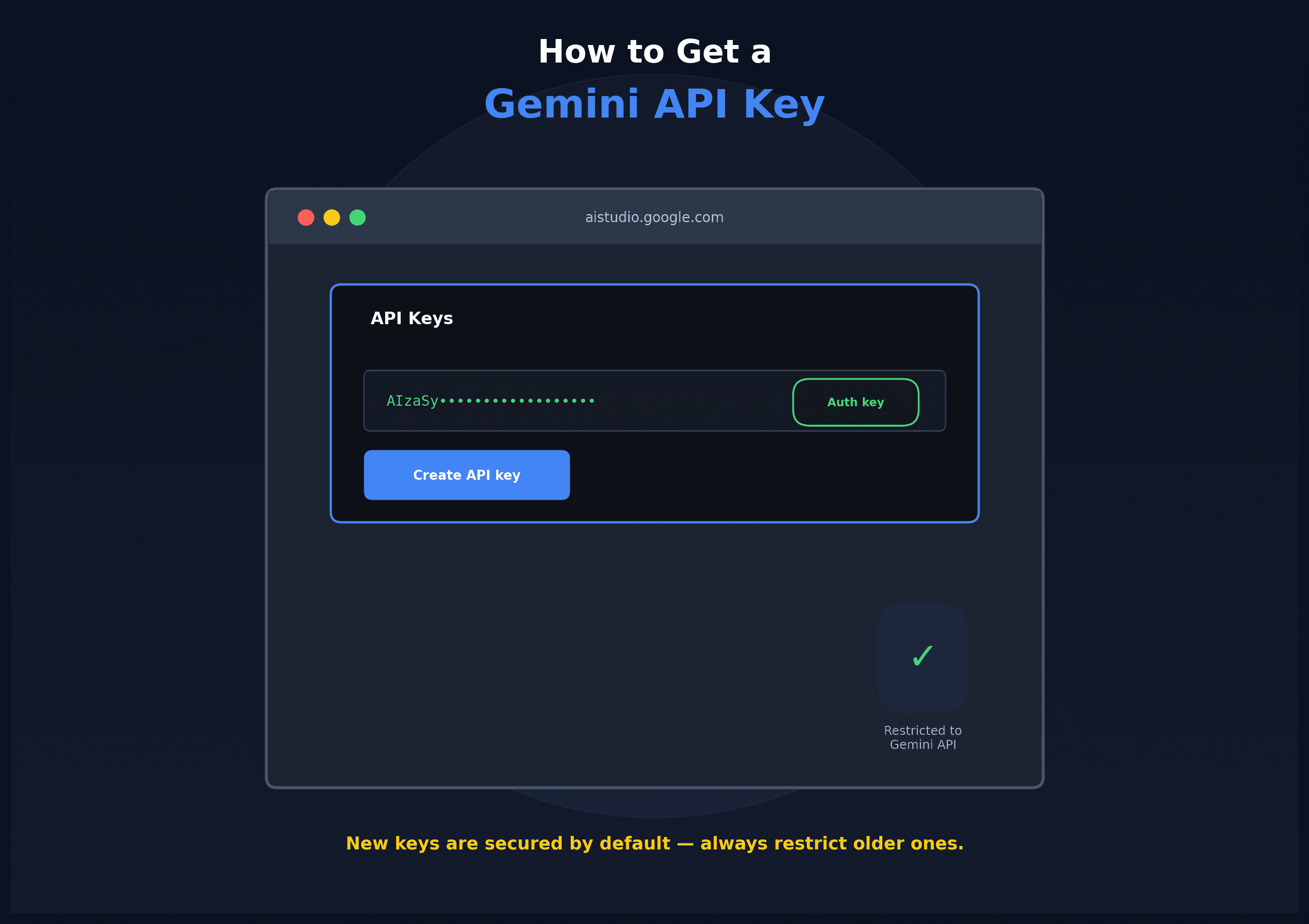
- AI and language models: The Claude API, OpenAI API, and Google's Gemini API all offer initial free credits or free-tier access for experimentation, useful for adding chatbots, content generation, or summarization features to an app.
- Maps and location: The Google Maps Platform offers a per-API free usage tier (requiring billing setup), while OpenStreetMap-based tools like Nominatim and Leaflet offer completely free, open source mapping and geocoding without any billing requirement.
- Weather data: OpenWeatherMap and WeatherAPI both offer solid free tiers with current conditions, forecasts, and historical data, making them popular choices for weather-related app features.
- Payments (sandbox/testing): Stripe, Razorpay, and PayPal all offer free sandbox environments for testing payment integrations thoroughly before going live, as covered in more detail in dedicated payment API guides.
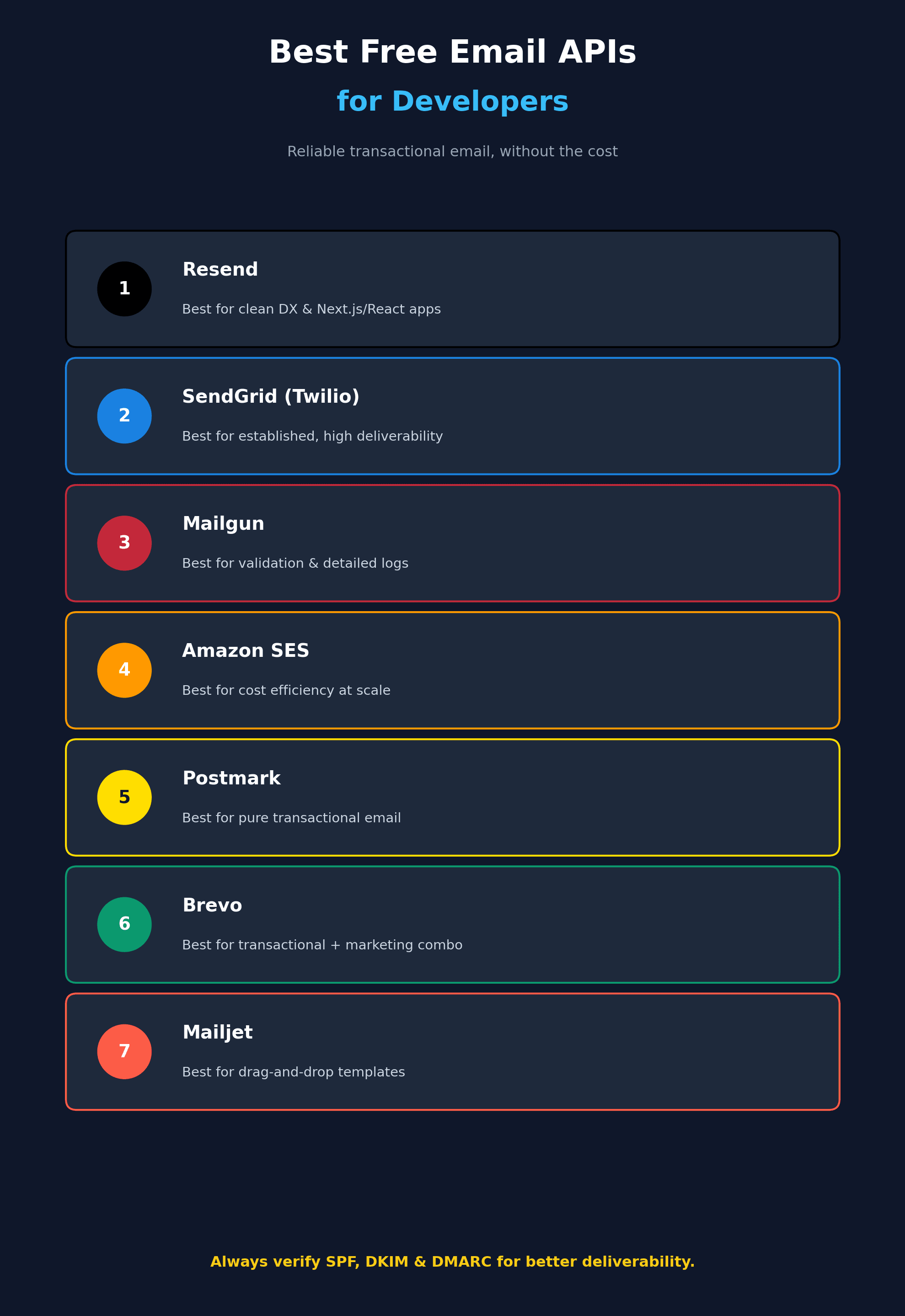
- Email sending: Resend, SendGrid, and Mailgun all offer free tiers suitable for sending transactional emails like confirmations, password resets, and notifications from an app.
- SMS and OTP verification: Providers like Twilio, MSG91, and Vonage offer free trial credits for sending SMS messages and OTP codes, useful for phone verification features.
- Public data and open APIs: Sources like the OpecdWeatherMap, REST Countries (country data), PokeAPI (for fun prototyping), and government open data portals offer free, well-documented APIs perfect for practicing API integration or building demo projects.
- News and content: NewsAPI and GNews offer free tiers for pulling recent news articles and headlines, useful for content aggregation or news-related app features.
- Currency and exchange rates: ExchangeRate-API and Frankfurter offer free access to current and historical currency exchange rate data, useful for finance-related apps.
- Image and media: Unsplash and Pexels both offer free APIs for accessing high-quality stock photos, useful for populating placeholder content or building media-related features.
- Authentication and identity: Firebase Authentication and Supabase Auth both offer generous free tiers for adding secure user login and signup functionality without building authentication from scratch.
- Checking documentation before committing: For any API on this list, reviewing the official documentation for exact rate limits, required authentication method, and any recent changes ensures you're building on accurate, current information rather than outdated blog posts.
By starting with well-documented, actively maintained free APIs across these categories, developers can add substantial functionality to their projects without unnecessary cost or unreliable dependencies.
Conclusion
Free APIs have made it easier than ever to add powerful, specific features to an app without building everything in-house, whether it's AI capabilities, maps, payments, email, or public data. Prioritizing well-documented, actively maintained options — and always checking the current free-tier limits directly from official documentation — helps ensure your project is built on a reliable foundation, whether it's a weekend prototype or a growing production app.